best wine new zealand

Your browser is out of date Update your browser to view this website correctly. Update my browser now The Winery - Taste Over 80 of New Zealand’s Best Wines ... in one place The world’s largest tasting of New Zealand’s best wines is right in the centre of Queenstown. At The Winery you can taste over 80 award-winning local, single vineyard and reserve wines from boutique wineries from across New Zealand - many of which don’t have cellar doors.TASTE 80+ WINES Choose the wines you taste. With the simple push of a button you can serve yourself from over 80 wines. How it works:Get your Wine Card and tasting glass Insert your Wine Card into the tasting machine Press the button to serve wine into your glass - select either a taste, half or full glass. CHEESE BOARDSRelax outside in the sun or inside in the cosy leather chairs of the wine lounge as you enjoy award-winning local cheeses with delicious platters of salami’s, breads and olive oils.NEW ZEALAND WHISKYFor those who appreciate a “wee dram” the specialist Whisky area provides the opportunity for you to taste New Zealand’s rare Single Malt Whiskies alongside Scottish and Irish Single Malts.WINE SHIPPING TO 40+ COUNTRIESThe Winery stocks more than 800 of New Zealand’s top wines which can be delivered via the fully inclusive service to over 40 countries around the world.
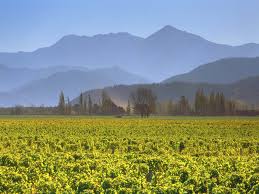
WINE TOURSBook one of the recommended half or full day wine tours and explore the Central Otago wine region. An ideal pre-dinner and social venue in the heart of Queenstown that creates a unique experience of New Zealand wine. Whisky, local beers and non-alcoholic drinks caters to everyone's taste. Larger groups please enquire about "The WineDub" and we can bring The Winery experience direct to your venue.
best cheap white wine bc10 Bottles to Try
best online wine store california Spy Valley 2014 Sauvignon Blanc (Marlborough)
best easy to drink wine Old Coach Road 2014 Sauvignon Blanc (Nelson)
cool wine glass ideas Palliser Estate 20013 Pinot Noir (Martinborough)
best wines to give as a gift 2015
Spy Valley 2012 Pinot Noir (Marlborough) Siefried 2013 'Sweet Agnes' Riesling (Nelson) Two Paddocks 2011 Pinot Noir (Central Otago) Mission Estate Winery 2011 Syrah (Hawke's Bay) Kumeu River 2007 Estate Chardonnay (Kumeu, Auckland) Craggy Range 2011 'Te Kahu' Merlot Blend (Gimblett Gravels, Hawke's Bay) Cloudy Bay 2010 'Te Koko' Sauvignon Blanc (Marlborough)
top french wine books Staring at the New Zealand section of your local wine shop, you're likely to see a lot of Sauvignon Blanc and maybe a few wines over $25—and all of them have screw caps instead of corks. Sauvignon Blanc was a popular premiere, but the New Zealand wine industry has released its sophomore album, and it deserves hit status. Featuring Chardonnay, Pinot, Noir, and more, this small island nation's wines are ready for you to take notice. Today we'll introduce you to the area and the different types of wines you'll find coming from New Zealand.

What do New Zealand wines taste like? For me, the common thread is a sense of freshness, whether you're drinking a crisp Sauvignon Blanc or a powerful Cabernet Sauvignon blend. Most of the vineyards are never too far from the cooling effect of the ocean, preserving acidity in the wines—this brightness leaves you ready for more after each sip. New Zealand is what what we call a 'new world' wine region. Old world wines come from places like France, Italy, Germany, and Spain. When you look at bottles from the Old World, you're more likely to see a place—a country, a region, or a vineyard—than a grape variety on the label. This practice comes from a long tradition of focusing on place rather than grape—and very strict rules about what you're allowed to grow where. For example, when we talk about white wine from Sancerre in France, we know it is Sauvignon Blanc without saying it. But in New Zealand, the rules are a little looser, and the grape name will be front and center.

When you buy a bottle, you know that at least 85% of the wine is made in the year and from the grape on the label—but that's about it. The New Zealand wine industry is still in its infancy compared to much of the rest of the wine world. While vines have been on the island for over 150 years, for most of that time the industry was stymied by a temperance movement and phylloxera (an insect that devastated vineyards all over the world in the 19th and 20th centuries). But in the last 15 years, New Zealand's wine scene has exploded. Plantings of Sauvignon Blanc alone have increased almost five and a half times since 2002. Since New Zealand is in the southern hemisphere, their harvest occurs six months earlier than it happens in vineyards in, say, California. So if you're shopping in September, you may notice that they're already selling this year's wines! It is very common to find wines from New Zealand sold with screwcaps, also known as Stelvin closures. In fact, about 95% of all New Zealand wine is sealed this way.
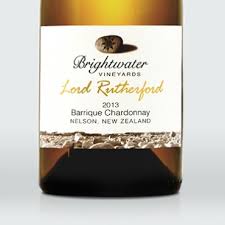
Why would a producer shy away from cork? The answer is 2,4,6-trichloroanisole, or TCA for short. Often transferred to wine through cork closures, this compound imparts aromas and flavors of wet cardboard and musty basement. Not too appetizing, right? The screw cap closure ensures that winemakers aren't literally pouring their hard work down the drain. Along with Australia, New Zealand has been a leader in the adoption of screw caps for wines at all price points. Yep—even the fancy stuff from New Zealand will likely not require a corkscrew. If you've had just one wine from New Zealand, it probably was a Sauvignon Blanc. The grape makes up a mind-boggling 72% of wine production in New Zealand. Most Sauvignon Blanc is like a friendly puppy—bursting from the glass and ready to play. This is not a wine that makes you hunt for flavors and aromas—they are right up in front, ready to get noticed. New Zealand Sauvignon Blanc has the classic herbaceousness of the grape—you might taste a little bell pepper and jalapeño—combined with ripe fruit: think passion fruit and pink grapefruit.
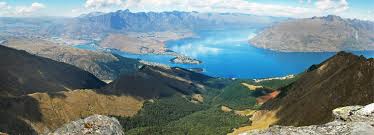
These wines are also often compared to gooseberries—small, green fruits that have a burst of tartness just like the wine. While Sauvignon Blanc grapes can be found on both of New Zealand's main islands, they're the leader in Marlborough on the South Island. The region gets a lot of sunshine, but also has a heavy ocean influence and very cool nights. This helps the wines offer that ripe tropical fruit balanced by lots of refreshing acidity. Looking for some good ones to taste? Seek out bottles from Dog Point Vineyard and Mohua. While you're mostly likely to find New Zealand wines offering the tangy, aromatic style of Sauvignon Blanc, some producers are branching off. A few winemakers are following in the footsteps of those producers in Bordeaux and the Loire (such as Didier Dagueneau), fermenting or aging the wines in oak barrels. Look to Cloudy Bay's Te Koko bottling. The wine is fermented in oak barrels and then the bottles are kept in the cellar for three years before being released.
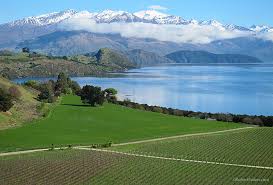
While Te Koko has all the fresh acidity of Sauvignon Blanc, it's a complex and amazingly textured wine. Rather than the typical passion fruit and grapefruit scent, you'll get a little gentle apricot, lemon pith, and ginger. Wines like this show that New Zealand Sauvignon Blanc still has some tricks up its sleeve. While Sauvignon Blanc dominates the NZ white wine scene, Chardonnay is the pretty younger sibling who's just waiting to getting noticed. Many Chardonnays from New Zealand exhibit a depth and brightness akin to White Burgundy. Despite being a new world wine region, the Chardonnays of New Zealand don't have too much in common with, say, riper examples from California. Most Chardonnays come from Marlborough, Hawke's Bay, or Gisborne. The ocean's cooling effect in these areas doesn't allow the fruit flavors in New Zealand's Chardonnays to get too tropical. Even in fuller-bodied styles with marked oak influence, the mouth-watering acidity will keep you reaching for your glass.

White peach, lemon zest, and aged cheese flavors make it a perfect food wine. Wondering where to get started? Look for the Chardonnays from Kumeu River Wines in Auckland. If you enjoy Pinot Noirs from the Willamette Valley in Oregon or California's Sonoma County, you should seek out Pinot Noir from New Zealand. In fact, there is a huge cultural exchange within these regions. Because of the alternating seasons, it is very common to hear of winery interns traveling across the Pacific to work two harvests a year. This extends to some of the best in the business—Ted Lemon of Sonoma's famed Littorai also makes wine at Burn Cottage in Central Otago, for example. Styles vary across the country, so it's a bit hard to make generalizations, but most NZ producers try to embrace the balance that their climate affords them. New Zealand pinots don't have the weight of warmer climates, but they don't quite have the earthy mushroom notes of Burgundy either. Most NZ Pinots have a splash of black cherry or strawberry flavor, complemented with violet and cloves.

You'll mainly find Pinot Noir from Marlborough, Central Otago, and Martinborough, which is on the southern tip of the North Island. While Pinot Noir may be in Sauvignon Blanc's shadow in Marlborough, producers such as Greywacke and Wither Hills still make examples worth seeking out. Central Otago is an outlier in regards to climate. The sea's influence is less strong in this region, since grapes are planted further inland and at higher altitude. These wines maintain NZ's characteristic freshness, but often with more alcohol and body than other styles from further north. Central Otago Pinot Noirs tend to be wonderfully concentrated and plush. They don't come cheap though—a bottle of Central Otago Pinot is likely going to set you back at least $30. Rippon, Felton Road, Mt. Difficulty are a few Central Otago producers at the top of their game. Blends made from Cabernet Sauvignon and Merlot from the North Island around Hawke's Bay really shine. My favorites come from Gimblett Gravels, a district planted on fine sand and stony gravel along the Ngaruroro River.
This place is especially suited for these grapes because the soils and higher temperature allow for the grapes to get perfectly ripe. Look for Craggy Range's Te Kahu or Trinity Hill's The Gimblett: these blends are like gymnasts that move effortlessly along the uneven bars with fantastic displays of strength. They are elegant and fresh with rich, textured tannins. If you love Cabernet-Merlot blends from Washington State or South America, you will be doubly won over by the aromas of black cherry, cedar, and clove. Syrah is just edging into the New Zealand wine game but it is definitely a grape to watch. Like Merlot and Cabernet, it mostly sticks to the warmer climates of the North Island where it can ripen best. Syrahs from New Zealand offer savory black pepper flavors complementing juicy plum and violet. While they don't have the wild, gamey side of Northern Rhone Syrah, these structured wines don't quite fit with the sun-kissed style of Australian Shiraz either. Try them out for yourself, starting with wines from Mission Estate Winery—a producer whose history dates back to 1851.