red table wine alcohol content
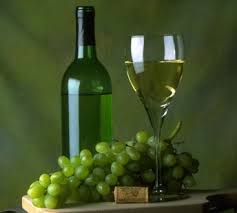
Alcohol in wine is measured differently than alcohol in beer. In the table below you will see grams of alcohol and corresponding percent alcohol ranges. Keep in mind the following when reviewing the table: 100 grams (g) of wine is equivalent to 100 milliliters (mL) or 3.4 fluid ounces (fl oz.) of wine. 10.6 g of alcohol in 3.4 fl ounces is 13% alcohol by volume. Ranges and average values taken from hundreds of popular wines are provided in the table below: It should also be noted that the alcohol content of individual wines vary even among the same vintage due to the subtle differences in the fermentation process. Some wine connoisseurs can detect these differences when opening a new bottle of the same wine. US law permits a 1.5% variance from the ABV printed on the wine label. to make an extensive individual wine list of alcohol contents similar to our beer list. This is currently a work in progress. Unfortunately there are just way more private wineries and wine labels out there to capture than the quantity of breweries.
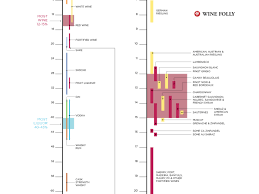
We hope to soon have a database that is comparable to our beer list however. A recent blog illustrated just how many obscure wine labels there are. The top prize in the “Wine Labels with Unusual Names” category went to Fat Bastard Chardonnay. Interestingly, there is a similar label for a Scotch Style Ale on the beer list. Honorable mentions include a Spanish red wine called “Scraping the Barrel” and two French red wines whose names you’ll have to see for yourself. Our personal favorite though was a red Zinfadel called Cardinal Zin which was banned in Ohio due to the illustration on the wine label. The alcohol content of wine is usually easy to find on the bottle. You can often see it in the picture of the wine label. If not, please refer to our table above to get the approximate alcohol content range. Give the Gift of Wine Wine makes a great gift. For a more formal event its best to give wine in Gift Baskets. Wine racks also make great wedding gifts.

It’s a little known fact that the world’s largest wine producer, E. J.Gallo, built their empire off the success of their white wine called Thunderbird. The wine was originally designed to appeal to a young market and has now garnered cult status as a “bum wine.” Why was Thunderbird such a success? Well, simply put it has 20% alcohol by volume (ABV). Let’s take a look at alcohol levels are in wine from the lightest to the strongest. Truth be told, alcohol content in wine ranges wildly from as low as 5.5% to 23% ABV. There are several factors that affect the alcohol content of wine including the style of wine, quality level, and climate where the grapes grow. The rule of thumb is that a glass of wine is worth one standard drink and women get one of these a night and men get two. However, this makes the assumption that the wine is only 12% ABV. So if you’re drinking a high-alcohol wine like Port or Thunderbird (at 20% ABV), the recommended serving size is about half.
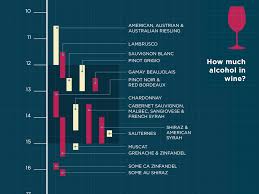
Yep, sometimes it’s better to get a lower alcohol wine, especially if you love to drink. You can drink more light-alcohol wine with the same effect as one glass of high-alcohol wine.
buy wine without labels Under the 10% ABV level, most wines will be light in body and sweet.
glass of wine typesGerman Kabinett Riesling (at 8% ABV) and Italian Moscato d’Asti (at 5.5% ABV) are typical examples of light-alcohol wines.
dry white wine costThe reason why these wines tend to be sweet is from the leftover grape sugar in the wine after the desired alcohol-level is reached.
wine good company quotesLeftover sweetness in wine is called residual sugar (RS) and comes from the sweetness of grapes at harvest time.
best budget white wine uk
Wines ranging from 10–11.5% ABV are usually produced when less-sweet grapes are used to make wine. It’s pretty common to see white wines with medium-low alcohol from cooler climate regions like France, Northern Italy and Germany.
best wine to drink with chocolateThere are also several sparkling wines in this alcohol content category because the wine producers pick the grapes a little earlier in the season to insure that the wines stay zesty with higher acidity to compliment the bubbles. If you live in the US, you might believe that these numbers seem a little low, but for the rest of the world 11.5%–13.5% ABV is the average. In fact, the US standard serving of wine is a glass (5 oz) of medium alcohol-content wine. Most European wines will be in this range, as well as dry American bargain wines. This is the average range of dry American wines and other warm climate growing regions including Argentina, Australia, Spain and Southern Italy.
Regions with warmer climates will produce sweeter grapes which in turn increases the potential alcohol content of the wine. High alcohol wines are made one of two possible ways: naturally or with fortification. Fortified wine is when a neutral spirit (usually a distilled grape brandy) is added to wine to increase the alcohol content. The original purpose for fortifying wine was to preserve the flavor of wines during the age of exploration. High alcohol dessert wines like Port, Marsala, Madeira and Sherry are commonly fortified and so are aromatized wines (aka vermouth). It’s more rare to find a natural high alcohol wine, but they do exist, thanks to science! The reason why wine has become naturally higher in alcohol has a lot to do with science. Back in the 1950’s the yeast would not survive in alcohol levels too much higher than 13.5% ABV. In fact, it was common to get a “stuck fermentation” where yeasts would die before all the sugar in the grape juice had been converted into alcohol (This is how white zin was invented!).