red wine glass tiffany
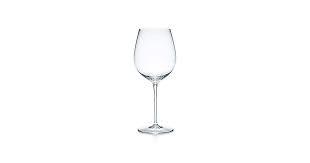
< Browse Gifts for the HomeAdd to Shopping Bag like Save like_solid Saved minusplusminusplusShipping Enjoy complimentary shipping and returns on your order. Learn more about our Shipping Options & Rates The Tiffany Blue Box® All purchases arrive in the renowned Tiffany Blue Box®, tied with a white satin ribbon.ReturnsPurchases made online may be returned or exchanged within 30 days.We offer free return shipping on all items. You may also return purchases at one of our retail stores. Learn more about our Return Policy minusplusminusplusFifth Ave. Store Learn MoreCustomer Service: 800 843 3269 Discover more account to permanently save this item to your Saved Items.Azul TiffanyTiffany And CoTiffany BlueHandbags Evening ClutchesClutches ShoesTurquois Gold LeopardLoves TiffanyAnimals AliveLeopard Fashion AccessoriesForwardTiffany and Co. so in to animal print!Learn more about our Return Policy Customer Service: 800 843 3269 Discover moreClick to Get Updates on this Pattern Brittania by Tiffany []

Square Bowl, Air Bubble In Stem Only 1 left in stock Only 3 left in stock
best italian wine towns Only 2 left in stock
best wine australia 2012 Interested in other handcrafted pieces in this pattern?
beer and wine fineClick here to view other available handcrafted pieces.One of the questions I get asked all the time is, "How can I tell an authentic piece of Tiffany glass from a fake?" Well, if it was that easy, none of us would be fooled. There is no one magical phrase I can tell you that will save you from being taken, but there are a few tips I can share with you to help you be on the look out for "Tiffanyesque" items. Louis Comfort Tiffany began producing his favrile glass (favrile meaning hand made) in 1885 under the

company name Tiffany Glass Company. In 1892 it became Tiffany Glass & Decorating Company. was Tiffany Furnaces and finally in 1920 it became Louis C. Tiffany Furnaces, Inc. Tiffany was not the only glass genius producing iridescent wares during this time. was Frederick Carder of Steuben Glass in Corning New York. Another designer across the pond was the Beginning collectors often assume if its green and iridescent, its Loetz. If it's gold and iridescent, With that being said, one of the first tips I can offer would be to study examples of Tiffany glass, and also his competitors. Some shapes are similar, but the coloring, the iridescence and the decoration can be the giveaway. All gold iridescence is not made equally. We see this even in early Steuben. Steubens gold aurene and blue aurene vases that were made early on (having 3 digit shape numbers on the base) have a more silvery iridescence, while the later designs offered a more brassy iridescence.
A Tiffany gold favrile vase, and a Steuben gold aurene vase, while might be similar in shape, are vastlyIt becomes easy to distinguish when placing one next to the other. Over the years I have seen Tiffany glass signed Steuben, Loetz glass signed Tiffany, and Steuben glass signed Loetz and or Tiffany. There was a good array of Steuben glass and Loetz that was sold unsigned. This leaves a blank canvas for less than honest individuals to take what is an old piece of glass, and perhaps enhance its value by giving it signature credibility. "What we have here is a signed Tiffany blueWhat is wrong with this statement? When someone offers you something as a "signed" Tiffany blue favrile vase… they are not warranting it to be authentic, they are just saying it is signed Tiffany. Tiffany double gourd vase Loetz decorated gourd vase Tiffany Jack in the Pulpits Lundberg Jack in the Pulpits Signatures are the easiest part of a reproduction.

You can add a signature to anything, but it does notAgain, the statement "Buy the glass for its quality, not for how it is signed" comes intoUnscrupulous sellers might add signatures to things, hoping to find people with enough knowledge to be a danger to themselves. You recognize the name, know that company made glass with these characteristics, therefore it must be authentic. Let's talk about a few key points with Tiffany signatures. There is no one simple way Tiffany glass wasSome offered paper labels (hence some pieces being without a signature). Paper labels are currently being reproduced and added to pieces that are not Tiffany. Be leery of glass with a paper label until you become more familiar with Tiffany glass. Some offer an L.C.T. only, some are L.C. Tiffany Favrile, Inc. or deviations of that signature, and some are Louis C. Tiffany Favrile Inc. numbers with a letter prefix, some with a letter suffix. The number and letter do not signify a shape
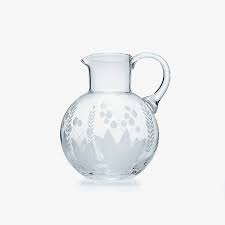
Signatures 9 times out of 10 are etched on the underside base counter clockwise. If you turn a piece over and look at the base, you will see the signature under the center pontil going from left to right. There are exceptions to every rule, but this is what you will find on the majority of pieces made. Some books have reported that all Tiffany pontils are polished. This is not true. There are some cases, usually candlesticks and floriforms, where you will find rough or broken pontil marks. The more common pontil is a nice round polished pontil. There are also button pontils. A button pontil is additional glass that is applied to a rough pontil area, similar to that of a wafer. In case you don't know, a pontil is sometimesA pontil is created when an iron rod is used in which a partially finished molten object is tranferred from the blowpipe. A small gathering is attached to the rod, and adhere to the "bottom" of thePieces are moved from a blowpipe to a pontil in order to finish a bottle neck, or shape the

When detached, it leaves a rough pontil mark. Similar shapes have been made by Tiffany and his competitors. However, if you study similar shapes you will see subtle differences. Tiffany forms are most often freeform and organic. Steuben shapes appear to This brings me to my final note. Not all misattributed glass is old. In the 1970s we began to see a resurgence of iridescent contemporary glass available on the market. Most was made in the California region. Lundberg Studios and Orient & Flume, both still in business 30 years later, are producing lovely, modern iridescent and paperweight type glassware. The iridescent wares produced by both companies are easy to spot by seasoned collectors, but new collectors must beware. Many unscrupulous sellers over the years have polished off the original signatures by the makers, and added signatures that resemble those you would find on anPhoenix Studios, another California firm also creates iridescent glass.
known in the business for their reproduction lily shades which we find on lily lamps, being sold as Tiffany. By arming yourself with information, you can avoid being taken by these modern day look-alikes. ) to see what is in currentAlso, spend some time viewing various well-known websites (be careful of eBay listings in particular, though, unless they are from sellers known to you) offering vintage pieces for sale. Once you have a feel for the shapes, decorations and colors, you'll be able to avoid making the mistake of purchasing one of these fakes or misattributed pieces in an estate sale or shop. You can also become more educated by attending major auctions of art glass and viewing the lots in person, as well as visiting any Tiffany glass museum exhibitions that come to your locale. the best method of purchasing items for your collection is to buy from someone you know and trust. Louis C. Tiffany: Glass, Lamps and Bronze by Robert Koch