the best wines for cooking
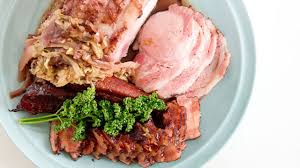
I’ve never been a big fan of ham. It’s often salty, seldom tender, and quite frankly boring. About the only thing going for it is that it’s a pre-seasoned hunk of meat that will feed a lot of people, which is probably why it’s been a popular choice for parties. If you can get past the salt though, ham does have an incredible amount of flavor locked up in the meat, which is why I like using it in soups and stocks. One way to quell the salt is to braise it in a sweet liquid. Fruit juice and even cola works, but after preparing this wine braised ham for a holiday party, I can’t imagine using any other liquid. This was so good and so simple to make it will be replacing my pot roasted chicken as the go-to meal of choice for company. Some of the salt from the ham migrates into the wine, while the long simmer breaks down the fat and connective tissues rendering the meat melt-in-your mouth tender. The ham takes on the color and flavor of the wine and the sweet honey takes the edge off the remaining salt in the pork.
The best part though is that you’re left with a ham, caramelized onion and red wine stock that can be reduced and turned into a sauce, or better yet;
buy wine of fire in ukit can be used to cook veggies making for a one-pot meal.
taken king codes freeRoot vegetables work, but in a nod to classics such as bacon and cabbage, and choucroute garnie, I love to shred a head of cabbage and let it simmer in the braising liquid until it’s as tender as the meat.
best wine retail websites With only five ingredients, it’s absurdly simple to make and yet the fruit from the wine and the smoke from the meat create a marvelously complex array of flavors that tastes like you really put a lot of effort into it.
how late can you buy wine in ga
Take these five ingredients to create a delicious blend of flavors. Food blogger Marc Matsumoto shares this recipe in a full post on the Fresh Tastes blog.
names of wine cupsIngredients3-4 pounds salted smoked pork (ham and slab bacon both work)2 medium onions, sliced thin1 bottle red wine1/4 cup honey1.5 pound head of cabbage, shreddedDirections
buy white wine online indiaFor Marc, food is a life long journey of exploration, discovery and experimentation and he shares his escapades through his blog in the hopes that he inspires others to find their own culinary adventures. Marc’s been featured in the New York Times, Wall Street Journal, and USA Today, and has made multiple appearances on NPR and the Food Network. It's with some humility that we must change our stance on a long-held belief of ours:For years, we've insisted that you do not need to cook with great wine -- or even barely passable wine for that matter.

And for years, leftover wine -- usually the dregs of bottles that we haven't finished for one reason or another -- have sat on our counter tops or in our cupboards ready to be used in our next foray into the kitchen. The reason for this long held belief is because a number of years ago, when Erin was a server at a leading Bay Street resto, she asked the chef his thoughts on cooking with wine. At the time, he was riding a wave of "It Chef" status, and was often quoted and featured in many of Toronto's foodie publications, so he certainly had the cred to give an answer Erin would adopt as her own cooking belief. He told her even if a wine was left on the counter top for a year in a hot kitchen in direct sunlight, it could still be cooked with. His food was amazing, so that was all Erin needed to hear.Sharing her answer with me, her sister, we went on our merry culinary ways, saving the dregs of left over, unconsumed bottles, the wine's fate now redirected from wine glass to cooking pot.Qualifier: if we found a bottle to be corked or somehow undrinkable because of technically flawed reasons, we returned it or threw it out.
Only wine that was once drinkable, but somehow forgotten about, went into the food we cooked. Usually there wasn't that much left over, and as almost daily cooks, wines rarely sat around for too long.However, something happened to Erin the other day that has forever changed her mind about this long belief. Reaching for the nearest bottle of "cooking" red, she happily added it to a coq au vin she was whipping up on one of the more recent rainy, cool days Toronto experienced a few weeks ago. The aroma that wafted out was less-than pleasant: a sort of mix of vinegar, rancid walnuts & stale port (FYI -- the red did not begin life as a port). The resulting flavour not much better, and now laced through the dish. One bad ingredient, and hours of work plus the anticipation of yummy, soul-warming, comfort food on a cold day, down the drain -- literally. Uneatable, Erin dumped out the whole thing and had PB&J for dinner. Likely this particular bottle of cooking wine was somehow pushed to the back of the line and left for way too long -- and Erin should have given it a whiff just to ensure it was still palatable, but she didn't and suffered the consequences.
Now, some will argue you should only use the best -- if you wouldn't put it in your glass, why would you put it in the pot? -- and we say please invite us to dinner if you're adding a nice Chateauneuf to your stew, but our budgets are a tad more meagre, so we get by with a bottle of something a little more modest.We now buy wines specifically designated for cooking: usually less than $10, but still something that will taste fresh and pleasant, with elevated acidity to add a nice bit of nuance and balance the flavours in the meal. We find for our money, Argentinian Rieslings with their ripe stone fruit and tropical notes add some great dimension to a dish calling for white wine, and for dishes in need of red, inexpensive, simple Chianti's with its bright red cherry, are generally a safe bet.That's how we roll in the kitchen, but we'd love to know how many of you only cook with the best, whipping up five-star creations with Barolo braises and Amarone roasts, and how many prefer to keep it simple with bargain bottles to create delicious dishes.