beer and wine bad
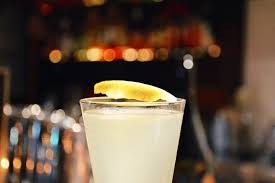
Liquor before beer, never fear? Legions of revelers are likely to experience hangovers on Jan. 1 — and the myths about hangovers are legendary. Which have merit, and which are just plain false? Dr. Keri Peterson helps sort fact from fiction for TODAY viewers: Myth: Beer before liquor, never sicker. Liquor before beer, never fear. Bottom line is it isn't which order you consume your drinks in that matters, it's the total amount of alcohol that you consume.With any alcohol, your inhibition decreases, which often leads to drinking more — so if you start with a beverage that has a higher alcohol content, your inhibition goes down more quickly and you tend to drink more. RELATED: Move over, Spring — can this new drink cure the hangover? Myth: I can match my husband drink for drink.Women will always get more intoxicated on a smaller dose than men even if you weigh the same.That's because men have a higher percentage of water in their bodies, which dilutes the alcohol.
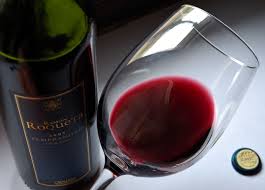
Instead of eating before bed, you should drink a full glass of water before bedtime.
best wine bars australia RELATED: Is Pedialyte the ultimate hangover cure? Myth: Take acetaminophen before bedtime to relieve your hangover in the morning. Taking acetaminophen is actually potentially very dangerous.Normally when you take it your liver metabolizes it by converting it into harmless compounds, but when you've been drinking the liver is busy metabolizing the alcohol so it shunts the acetaminophen to a separate pathway that metabolizes it into toxic compounds that can cause liver inflammation and possibly liver failure.Instead, you should stick to ibuprofen: It not only helps with the headache but treats inflammation. You should take two before bed and two in the morning. Myth: Alcohol helps you sleep well Many people have a glass of wine to help them sleep, but actually alcohol disrupts sleep.

While a nightcap may help you fall asleep more quickly, it interferes with the quality of your sleep. You don't spend enough time in the deepest cycle of sleep call the REM cycle, and since you sleep more lightly you wake up earlier. RELATED: Hangover hurting you? KLG and Hoda have a new remedy Myth: Drinking coffee is a good cure the next morning Alcohol dehydrates you by stopping the production of a hormone that allows you to retain water.Coffee is a diuretic, which causes you to lose more fluids and could make your hangover worse.After a night of drinking you should avoid all caffeine and instead drink water and sports drinks with electrolytes to counter dehydration and replace lost electrolytes. Myth: A morning mimosa eases a hangover The infamous "hair of the dog that bit you" cocktail doesn't cure a hangover — it merely postpones it until later in the day.Hangovers set in when blood-alcohol levels start to fall, and the worst symptoms begin when the levels drop to zero.

9 remedies that could really, actually help Tips to prevent a hangover: Drink a glass of water between each drink and before bedtime to prevent dehydration.Eat a fatty meal before you start drinking.Drink water and sport drinks the next morning to rehydrate and replenish electrolytes.Take ibuprofen before bed and the next morning to ease a headache.Sleep.Eat eggs for breakfast: Eggs contain cysteine, which may help the liver break down one of the toxic metabolites of alcohol. Dr. Keri Peterson is a contributor to Women's Health and Men's Health magazines. Diet for type 1 diabetes Diet for type 2 diabetes Low carb high fat diet Meal replacement diet plans Very low calorie diet What can I drink? Alcohol and blood sugar Soft drinks and diabetes Diet soft drinks and diabetes Carbohydrate counting Chocolate and diabetes Food for a healthy diet Which slimming club is best? Eggs, beans & pulses Eating out with diabetes

Low carb lunch ideas Low carb dinner ideas Low carb flour alternatives Low carb snacks Low sugar sweets Simple carbs vs complex carbs Nutritive and non-nutritive sweeteners Role of sugar in our diet Which artificial sweetener should I choose? The carbohydrate in alcohol can effect your blood sugar levels Alcohol can have a confusing effect on blood sugar levels because it prevents the liver from producing glucose. One consequence of this is that hypoglycemia can occur after a night of drinking. As a result, people with diabetes are often advised to eat something to compensate for the expected drop in blood sugar levels. Alcohol does affect different people in different ways so, if in doubt, test your blood glucose to see how alcohol affects you. Some people may find it all too easy to let diabetes drift out of their mind when having alcohol and not worry too much about sugar levels. However, it is advisable to test blood sugar levels whenever possible to get an idea of how different drinks affect your sugar levels.
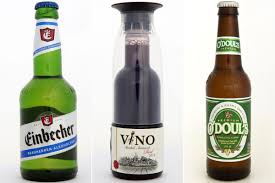
Regular lagers tend to typically vary in carbohydrate content from about 10 to 15g per pint. Some ‘light’ beers may be better and have less than 10g of carbs per pint and some with less 5g of carbs. Pilsners are thought to have a relatively benign effect on blood sugar, however, just as with any drink amongst this list, it’s best if you can test to be sure what effect they’re having on your blood glucose levels. Stouts, Porters and Guinness tend to be on the higher end of the carbohydrate spectrum amongst beers and can have upwards of 20g of carbohydrate per pint. There are a wide variety of real ales covering pale ales through to porters. Real ales will typically have a carbohydrate content of 10 to 20g of carbs per pint. Certain real ales may be given additional flavouring with extra sugar or honey so be prepared for the effect to vary with different beers. Red wine generally receives good press thanks to the certain chemical properties (polyphenol and resveratrol compounds) it contains.
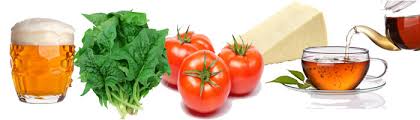
As you’d expect, dry wines and champagnes will have a lower carbohydrate level than sweeter wines and champagnes. A dry wine can have as low as 1-2g of carbohydrate in a modest sized glass (200ml) whereas a particularly sweet wine could have over 10g of carbs. A medium sweetness wine is likely to have 5 to 10g of carbs per standard glass. Fortified wines such as sherry and port tend to be sweeter than table wine. A glass of port could contain as much as 20g of carbs. To keep carbohydrate content down, look for dry varieties. Spirits, such as gin, vodka, whiskey and even rum are highly distilled and should not contain sugars. With spirits the consideration is more on what they are mixed with. Orange and other juices contain a relatively high amount of carbohydrate - about 20g in a small 200ml serving. Even diet mixers can present problems when having a night out. Be careful that the bartender does serve you a diet version when you ask for it. Diabetics have often been incorrectly served full sugar versions despite trying to be clear.