best brand of red wine for cooking

Match red wine with food A guide to help you pair red wine with food.Leave it to the French to make a glorious, silky soup from a vegetable as ordinary as an onion. But if it’s so easy to make, why are we often subjected to shoddy bowls of thin, tasteless onion-water? Or, worse, acrid burnt onion broth? Or even worse: a cloudy, oily mess? Like many straightforward dishes, the outcome relies on nailing the technique and deploying just the right ingredients. So the Epicurious Test Kitchen merged the best parts of the recipes on our site to create Our Favorite French Onion Soup. Here’s how we cracked the code on this time-honored recipe: Let’s start with the foundation for our soup. We’ve seen recipes that use beef broth, chicken broth, or a mix of the two. We've also seen recipes that call for red wine, white wine, or no wine at all. Our taste tests revealed the combination of an all-beef broth with white wine as the clear winner, as used in this Gourmet French Onion Soup.
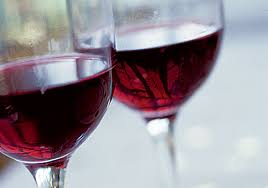
The beef broth (obviously home-made is best, but store-bought works too) adds an underlying richness to the soup, and we favored the lightness and acidity that white wine brings to the table.
best boxed red wine uk We also tested thickening the soup with flour as well as omitting it from the recipe.
good red wine for wedding giftWe preferred the no-flour version, as used in this Bon Appétit rendition, which provides a beautiful clear broth without muddying the sweet and savory flavors of the soup.
top selling wine brand in the world Red wine vs white wine in French Onion Soup
best not dry red wine As we read through your comments on the French Onion Soup recipes on the site, we heard you loud and clear: “More onions!”
best wine glass cloth
After all, it’s not called “Broth Soup” or “Cheesy Bread Soup.” So we took a cue from another Bon Appétit recipe and upped our onion-to-broth ratio to let the main ingredient shine.
best wine for french onion We also found many recipes that just called for “onions.”
wine and beer specialsBut what kind of onions make for the best soup?
top rated red wine brandsWe tried caramelizing red, yellow, and Vidalia onions and—shocker—the sweet Vidalias came out on top.
man o war wineJust a sprinkle of sugar and salt (and heat) transform these sweet onions into sweet, nutty, silky strands of pure gold. But perfectly caramelized onions take time. Undercook your onions, and you’ll miss out on all that the savory sweetness.

Some recipes call for cooking them for as little as 15 minutes, but we felt that this was not enough time to draw out their full flavor potential. Cook them too quickly over heat that’s too high, and you risk burning them and adding a scorched, bitter taste to your soup, so resist the urge to speed up this step. This French Onion Soup with Comté calls for cooking the onions for about an hour, which we thought was just right. When your onions are an even, deep golden brown like the kind of tan everyone wanted in the 80s, you know they're ready. We initially tried adding a bundle of rosemary, thyme, and bay leaves to our soup, but found the rosemary to be a bit overpowering. The combination of thyme and bay leaves found in this recipe for Onion Soup with Loads of Thyme and Giant Gruyère Crostini was really well balanced, lending a subtle herbaceous flavor and aroma. Cheese test for French Onion Soup We’re not naming any names, but we know some people who eat French Onion Soup mostly for the blistered, melty, cheesy cap on top.
So of course we had to give this element as much attention as the rest of the soup. And, just like the onions, many recipes call for generic “Swiss cheese.” Again, we asked, “What kind of Swiss cheese?” We narrowed it down to two contenders: Emmentaler and Gruyère. We tried them separately and mixed together. The slightly sweet, salty, nuttiness of Gruyère as found in this recipe won us over and was chosen to adorn our soup. Our Favorite French Onion Soup Many recipes include brandy in the cooking process or to finish the soup. We tried adding a touch to our brew, but it was a little too sweet. So we took a tip from Mixed Onion Soup in Sourdough Bread Bowls and tried finishing our bowls with a splash of dry sherry. The sherry complements the nuttiness of the Gruyère beautifully and adds a bright finish to the soup, yet the raw alcohol flavor gets mellowed by the warm broth. All in all, it's the perfect finishing touch.And once a drinkable wine has been procured, trying to figure out whether it is the best one for a particular recipe can seem impossible.
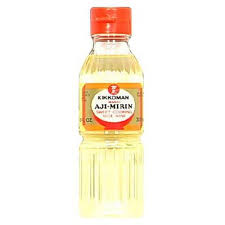
How much of the wine’s subtler qualities will linger in the finished dish? How much of the fruit flavor? Does it matter whether the wine is old or young, inexpensive or pricey, tannic or soft? Two weeks ago I set out to cook with some particularly unappealing wines and promised to taste the results with an open mind. Then I went to the other extreme, cooking with wines that I love (and that are not necessarily cheap) to see how they would hold up in the saucepan.After cooking four dishes with at least three different wines, I can say that cooking is a great equalizer.I whisked several beurre blancs — the classic white wine and butter emulsion — pouring in a New Zealand sauvignon blanc with a perfume of Club Med piña coladas, an overly sweet German riesling and a California chardonnay so oaky it tasted as if it had been aged in a box of No. 2 pencils. Although the wines themselves were unpleasant, all the finished sauces tasted just the way they should have: of butter and shallots, with a gentle rasp of acidity from the wine to emphasize the richness.

There were minor variations — the riesling version was slightly sweet — but all of them were much tastier than I had expected. Next I braised duck legs in a nonvintage $5.99 tawny port that reminded me of long-abandoned Halloween candy, with hints of Skittles and off-brand caramels. Then I cooked a second batch of duck legs in a 20-year-old tawny port deliciously scented with walnuts, leather and honey. Again, the difference was barely discernible: both pots were dominated by the recipe’s other ingredients: dried cherries, black pepper, coriander seed and the duck itself. Wincing a little, I boiled a 2003 premier cru Sauternes from Château Suduiraut (“The vineyard is right next door to Yquem,” the saleswoman assured me), then baked it into an egg-and-cream custard to see whether its delicate citrusy, floral notes would survive the onslaught. They did, but the custard I made with a $5.99 moscato from Paso Robles, Calif., was just as fragrant.Over all, wines that I would have poured down the drain rather than sip from a glass were improved by the cooking process, revealing qualities that were neutral at worst and delightful at best.

On the other hand, wines of complexity and finesse were flattened by cooking — or, worse, concentrated by it, taking on big, cartoonish qualities that made them less than appetizing.It wasn’t that the finished dishes were identical — in fact, they did have surprisingly distinct flavors — but the wonderful wines and the awful ones produced equally tasty food, especially if the wine was cooked for more than a few minutes. The final test was a three-way blind tasting of risotto al Barolo, the Piedmontese specialty in which rice is simmered until creamy and tender in Barolo and stock, then whipped with butter and parmigiano. Barolo, made entirely from the nebbiolo grape, is a legendary Italian wine; by law, it must be aged for at least three years to soften its aggressive tannins and to transform it into the smooth aristocrat that fetches top dollar on the international wine market. I made the dish three times in one morning: first with a 2000 Barolo ($69.95), next with a 2005 dolcetto d’Alba ($22.95), and finally with a jack-of-all-wines, a Charles Shaw cabernet sauvignon affectionately known to Trader Joe’s shoppers as Two-Buck Chuck.
(Introduced at $1.99, the price is up to $2.99 at the Manhattan store.)Although the Barolo was rich and complex to drink, of the seven members of the Dining section staff who tasted the risottos, no one liked the Barolo-infused version best. “Least flavorful,” “sharp edges” and “sour,” they said. The winner, by a vote of 4-to-3, was the Charles Shaw wine, which was the youngest and grapiest in the glass: the tasters said the wine’s fruit “stood up well to the cheese” and made the dish rounder. “It’s the best of both worlds,” one taster said, citing the astringency of the Barolo version and the overripe alcoholic perfume of the dolcetto. The young, fruity upstart beat the Old World classic by a mile.“I’m not surprised,” said Molly Stevens, a cooking teacher in Vermont whose book “All About Braising” (W. W. Norton, 2005) called for wine in almost every recipe. “If it had been short ribs, you probably wouldn’t have been able to taste the difference when the dish was done, because meat and wine work together differently,” she said.

This might explain how the chef Mario Batali got away with pouring an inexpensive California merlot into the beef with Barolo served at Babbo, as Bill Buford observed in “Heat” (Knopf, 2006), his account of his work at the restaurant. In an e-mail message, Mr. Batali said he preferred to cook with Barolo when he would be drinking Barolo, saying that “the resulting comparison of the raw, uncooked wine and the muted, deeper and reduced flavor of the wine in the finished dish ... allows more of the entire spectrum of specific grape flavor, a dance on the ballroom of the diner’s palate.” (He did not dispute Mr. Buford’s assertion, however.) Mark Ladner, the executive chef at Del Posto, Mr. Batali’s restaurant on the fringe of the meatpacking district, sees several hundred dollars’ worth of aged Barolo stirred into its version of the risotto, a signature dish, every week. “My brain tells me it should matter,” he said, “but once a wine is cooked I’m not sure how much even a discerning palate can tell.“

When I make the dish at home, I use a dolcetto d’Alba — a simpler wine from the same region — and honestly I like it even better.” The difference between Barolo and dolcetto does reveal one hard rule of cooking with wine: watch out for tannins. Found in grape skins and seeds, tannins are bitter-tasting plant compounds that can give red wine and tea some desirable tartness but become unpleasantly astringent when cooked. (Barolo, young Bordeaux and northern Rhônes are examples of very tannic wines.) “I wouldn’t cook with Barolo even if I could afford it,” said Bob Millman, a longtime wine buyer for Morrell & Co. in Manhattan.“Tannins are what get you into trouble in cooking,” Ms. Stevens said, because they are accentuated and concentrated by heat. “For reds, err soft,” she said, and choose a wine with a smooth finish. Are there any other hard rules for choosing wine for cooking? One: don’t be afraid of cheap wine. In 1961, when Mrs. Child handed down her edict in “Mastering the Art of French Cooking,” decent wines at the very low end of the price scale were almost impossible to find in the United States.Now, inexpensive wines flow from all over the world: a $6 bottle is often a pleasant surprise (though sometimes, still, unredeemable plonk).“

Often customers come in looking for an inexpensive wine to cook with, and when I steer them to our $5.99 and $6.99 Portuguese wines, which are perfectly good for most dishes, they are uncomfortable with it,” said Gregory dal Piaz, a salesman who specializes in wine and food pairings at Astor Wines and Spirits in SoHo. “They think it is just too cheap.” At the other end of the price scale, the experts agree that it is wasteful, even outrageous, to cook with old, fine and expensive wines. “Let’s take the most horrifying example, a Romanée-Conti, among the most subtle and aristocratic wines on the planet,” Mr. Millman said. “There is no way that its complexity and finesse will be expressed if you cook it, even for a minute. The essential flavors that make it a Romanée-Conti will be lost.”Ms. Stevens said that she divides the vast and bewildering universe of wine into Tuesday night bottles and Saturday night bottles, and that she cheerfully cooks with whatever Tuesday wine happens to be open.
“I really resent opening a bottle just because a recipe calls for a quarter cup of something,” she said, “but the acidity of wine in cooking really is irreplaceable. You can’t just leave it out or sub in another liquid.”Plain dry vermouth, she said, which lasts indefinitely, is her standby white for cooking. (This was also Mrs. Child’s solution. Red vermouth, however, cannot be used in recipes calling for red wine; Before these cooking sessions, I would have been suspicious of a recipe that casually called for “Sauternes or another dessert wine,” as Nigella Lawson’s custard recipe does. I still would not swap in a sugary ruby port for drier tawny, or pour Manischewitz into a coq au vin — sweet wines and dry should be kept in their places.But beyond that, cooking with wine is just that — cooking — and wine is only one of the ingredients that give a finished dish its flavor. Aromatics, spices, herbs, sugar and especially meat and fat tend to erase the distinct flavors of wine.Mr. Millman, the wine buyer, maintains that cooking with wines that have the same terroir as the food produces the best-tasting results, but Mr. Ladner, the chef, isn’t so sure.“