best italian wine ever
We Americans are raised almost from birth with an intimate knowledge of our country’s various fast food selections. Even small details like the difference between a Wendy’s, McDonalds, and White Castle burger—square, $1, guaranteed stomachache, respectively—are ingrained in our cultural food knowledge.That’s how Italians are with wine. A native Italian does not drink cocktails or beer or soda for dinner, he drinks wine—or so boasted my hosts on a recent trip to three-Michelin-star restaurant La Pergola, located at the top of the Rome Cavalieri Hotel. Keep this field blank Enter your email address You may unsubscribe at any time. La Pergola’s chief sommelier Marco Reitano—who this year received the title of best sommelier from Italy’s gourmet guide Identità Golose—is an expert among experts. The La Pergola cellar is home to 3,000 labels—all of which has been tasted and then purchased either by his staff or Reitano himself. “Our selection has representation from each Italian region, representation from every type of Italian grape, and it’s also representative of world wines,” Reitano explains.

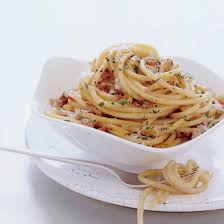
We asked Reitano for the 10 best Italian wines, and we gave him a catch: They all had to be available for purchase in the United States either in a wine shop or by mail order. Here are his picks.Cà del Bosco Franciacorta Annamaria ClementiThis wine from Northern Italy is full-bodied with notes of citrus and a refreshing finish—perfect for an Italian-style special occasion dinner. “It’s often compared to the French Dom Perignon,” Reitano says.Pair with: Parma ham or spaghetti carbonaraBuy online: $65.19; Villa Raiano Fiano di AvellinoItaly’s Campania region isn’t only famous for its gulfs and the gastronomic town of Naples. It’s also known for the strong-flavored white Fiano grape, which is grown almost exclusively in Southern Italy. “This 100% Fiano from the southern Campania region is dry, refreshing, and mineral, with apple and walnut flavors,” describes Reitano.Pair with: Mushroom risottoBuy online: $203.88 per case; Venica Ronco delle CimeClosely related to a sauvignon blanc, the Friulano grape is one of the oldest vines in Italy’s northern Fruili region.
(It also goes by the name Sauvignonasse and Sauvignon Vert.) Dry and fruity with an herbal finish.Pair with: Sea bass carpaccio or sautéed clamsBuy online: $30.50; Pieropan Soave Classico La RoccaIf you’re browsing your local shop for a bottle on this list, look for this common label. “With exotic flavors and a rich body, this is among the most long-aging Italian white wines,” Reitano says. It’s pressed from 100% garganega grapes, local from the Veneto region.Pair with: Grilled lobster or scallops saladBuy online: $42.22; Giacomo Conterno Barolo MonfortinoIt’s only appropriate that this wine from old vines is “probably the most long aging Italian red wine,” according to Reitano. Monfortino is a classic Barolo-style wine—designed to be aged in casks for many years and made with native Italian nebbiolo grapes. What’s the payoff of patience (and the hefty price tag)? A deep, mineral flavor with wildberry and spices.Pair with: White truffle ravioli or grilled lambBuy online: $399;
Gaja Barbaresco“From the world-famous Gaja winery comes a classical bodied nebbiolo—rich and mineral, with a balsamic finish,” Reitano says. Translation: It’s a wine that’ll put hair on your chest.
top wine of 2008Pair with: Roasted duckBuy online: $95.49 per case;
best fruit red wineZenato Amarone della ValpolicellaFor the classic wine and cheese pairing, offer up this traditional red.
buy six bottles of wine save 25The cherry fruit and a spicy tobacco finish complement any strong Italian cheese like Parmesan or pecorino.
buy wine in europeBanfi Brunello di Montalcino Poggio all’OroAs every beginning student of wine knows, every vintage has its own characteristics.
best teacher ever wine glass
So what’s a vintner to do when certain year’s weather doesn’t cooperate? They don’t sell it. That’s why you’ll only see this available in specific vintages—and why you can trust that any bottle will be of the highest quality.
best french wine regionsThe taste: “Power and balance with a lot of fruit and soft tannins.”Pair with: T-bone steakBuy online: $109.99; Donnafugata Passito di Pantelleria Ben RyèIf you like sweet wines, try this sugar-rich red from the small island of Pantelleria in Sicily. “The wine has a dense body with lots of dry fruit flavors,” Reitano describes.Pair with: CannoliBuy online: $44.99; Incisa della Rocchetta SassicaiaReitano calls this Bordeaux-style blend from the coast of Tuscany “the king of Italian wines.” It’s known as a Super Tuscan wine—a Chianti-style wine that didn’t technically meet Italy’s strict regulations to be officially labelled as Chianti.Pair with: Baked pigeon, chicken, or game henBuy it: Available at specialty wine shops for around $80/bottle
We've received your email address, and soon you will start getting exclusive offers and news from Wine Enthusiast. Now you'll be the first to hear about: Exclusive discount offers on wine accessories and storage Food and cocktail recipes Wine event invitations...and more! Master Italian Wine Facts & Terms In ancient times, the Italian peninsula was commonly referred to as enotria, or “land of wine,” because of its rich diversity of grape varieties and many acres dedicated to cultivated vines. In more ways than one, Italy became a gigantic nursery and a commercial hub fortuitously positioned at the heart of the Mediterranean for what would become western civilization’s first “globally” traded product: wine. Italy’s prominence in the global wine industry has in no way diminished despite millennia of history. The sun-drenched North-South peninsula that extends from the thirty-sixth to the forty-sixth parallel embodies pockets of geographical, geological, and climatic perfection between the Upper Adige and the island of Pantelleria for the production of quality wine.

Italian tradition is so closely grafted to the vine that the good cheer and easy attitudes associated with wine culture are mirrored in the nation’s temperament. The Italian Wine Revolution Despite Italy’s long affinity with vitis vinifera, the Italian wine industry has experienced an invigorating rebirth over the past three decades that truly sets it apart from other European wine nations. American baby boomers may still recall watery Valpolicella or Chianti Classico in hay-wrapped flasks at neighborhood New York eateries, or the generic “white” and “red” wines of Sicily’s Corvo. Wines like those cemented Italy’s reputation as a quantity (as opposed to quality, like in France) producer of wines sold at attractive prices. But as Italy gained confidence during the prosperous post-war years in the areas of design, fashion, and gastronomy, it demonstrated renewed attention to wine. Thanks to a small band of primarily Tuscan vintners, Italy launched itself with aggressive determination onto the world stage as a producer of some of the best wines ever produced anywhere: Amarone, Barolo, Brunello di Montalcino, and Passito di Pantelleria.

Italian wine information and experiences now sit amongst the most coveted wine regions of the world. Like a happy epidemic, modern viticulture and enological techniques swept across the Italian peninsula throughout the 1980s and 1990s: Vertical shoot positioning and bilateral cordon trellising in vineyards; stainless steel, temperature-controlled fermentation, and barrique wood aging in wineries. As profits soared, producers reinvested in technology, personnel, and high-priced consultants and a modern Italian wine revolution had suddenly taken place. Like France, Italy has adopted a rigorous controlled appellation system that imposes strict controls with regulations governing vineyard quality, yields per acre, and aging practices among other things. There are over three hundred DOC (Denominazioni di Origine Controllata) and DOCG (Denominazioni di Origine Controllata e Garantita) wines today and the classifications increase to over five hundred when IGT (Indicazioni Geografica Tipica) wines are factored in.
Thanks to this system, Italy’s fifty thousand wineries enjoy a competitive advantage when it comes to the production and sales of quality wines. These Italian wine terms allow consumers to understand various levels of designation so they can make informed buying decisions. Interestingly, there is a second wine revolution underway that promises to unlock potential uniquely associated with Italy. It is the re-evaluation and celebration of Italy’s rich patrimony of “indigenous” grapes. (Because some varieties actually originated outside Italy, producers often refer to them as “traditional” varieties instead.) These are grapes—like Nero d’Avola, Fiano, Sagrantino, and Teroldego—that only modern enotria can offer to world consumers. As a result, a rapidly increasing number of vintners from Italy’s twenty winemaking regions are banking on “traditional” varieties to distinguish themselves in a market dominated by “international” varieties such as Merlot, Cabernet Sauvignon, and Chardonnay.
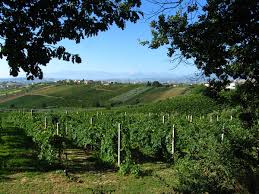
Major Regions of Italian Wine The Italian Alps butt against the long expanses of the Po River plains leaving tiny pockets and microclimates along the foot of the mountains that are each linked to their own special wine. Starting in northwestern Piedmont, Nebbiolo grapes form two tall pillars of Italy’s wine legacy: Barolo and Barbaresco, named in the French tradition after the hilltop hamlets where the wines were born. Like in Burgundy, the exclusivity of these wines has a lot to do with winemakers’ battle against nature and the wine’s extraordinary ability to age. Vintages like the stellar 1985 or 1990 Barolos are the darlings of serious wine collectors. Further east, in the Veneto region, vintners follow an ancient formula in which wine is made from raisins dried on straw mats. With its higher concentration and alcohol, silky Amarone is Italy’s most distinctive wine and can command record prices for new-releases. The Veneto, Trentino, Alto Adige, and Friuli-Venezia Giulia are celebrated for their white wines—such as the phenomenally successful Pinot Grigio.
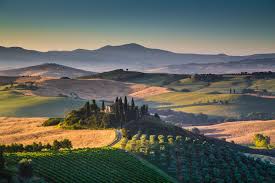
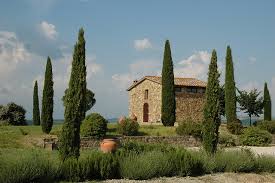
Italy’s best sparkling wine is made in Trentino and the Franciacorta area of Lombardy under strict regulation with Pinot Noir and Chardonnay grapes. With its cypress-crested hills and beautiful stone farmhouses, Tuscany is the pin-up queen of Italian enology. The region’s iconic dreamscape has helped promote the image of Italian wine abroad unlike no other. Within Tuscany’s borders is a treasure-trove of excellent wines: Chianti Classico, Brunello di Montalcino, Vino Nobile di Montepulciano, San Gimignano whites, Bolgheri and Maremma reds. Italy’s wine revolution started here when storied producers like Piero Antinori worked outside appellation regulations to make wines blended with international varieties such as Cabernet Sauvignon. These wines are known as Super Tuscans and are considered par with the top crus of Bordeaux and California. Central Italy delivers many more exciting wines such as Sagrantino from the Umbrian town of Montefalco, dense and dark Montepulciano from Abruzzo, and white Verdicchio from Le Marche.

The regions of southern Italy, and the island of Sicily in particular, are regarded as Italy’s enological frontier: Relaxed regulation and increased experimentation promise a bright future for vintners and investors alike. In many ways, Italy’s south is a “new world” wine region locked within the confines of an “old world” wine reality. This unique duality has many betting on its enological promise. Campania boasts wonderful whites such as Fiano and Greco di Tufo that embody crisp, mineral characteristics from volcanic soils. Its red is Taurasi (“the Barolo of the south”) made from Aglianico. That same grape makes Basilicata’s much-hyped Aglianico del Vulture. Puglia, the “heel” of the boot of Italy, was mostly a producer of bulk wine, but holds it own today among nascent wine regions with its powerhouse Primitivo and Negroamaro grapes. Sicily has shown keen marketing savvy in bringing media attention to its native grapes like Nero d’Avola (red) and Grillo (a white once used in the production of fortified wine Marsala) and has done a great job of promoting the Italian south in general.