best wine brand for cooking
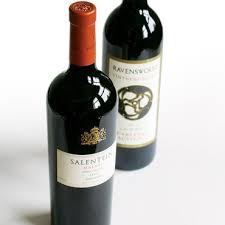
Delicious for drinking with food, dry red wines (dry meaning they have less sugar) are also useful in cooking. As with white wines, the acidity in red wine will punch up other flavors in the dish, provided there's not too much tannin (that bitter flavor that makes your mouth pucker) or oak (that toasty vanilla flavor from aging in oak barrels) to overshadow the food. Red wine is delicious as part of the liquid for braising or stewing (think beef Burgundy or coq au vin). It's also wonderful for deglazing pans to make a pan sauce for seared lamb, duck, pork, or beef. You can even use red wine for flavoring desserts. Port can often be used in place of red wine in pan sauces, but it usually comes with a higher price tag. Avoid at all cost the "cooking wine" at the supermarket; instead, choose something you wouldn't mind drinking—ideally, a wine you'd pair with whatever you're cooking. The best red wines for cooking are those with moderate tannins: Merlot, Pinot Noir, Sangiovese (the main grape in Chianti), and lighter-style Cabernets.
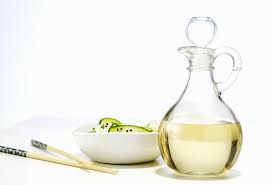
Heat won't improve the undesirable qualities of bad wine: it will accentuate them. Conversely, heat kills the subtle nuances in a complex wine, so save the really good stuff for drinking. In general, go for young wines with lively fruit notes for the best flavor in the pot or pan. Because wine also contains alcohol, you usually add it at the start of cooking so the alcohol has a chance to burn off. Splashing wine into a dish at the end of cooking usually results in an unpleasant raw-wine taste. Store unopened bottles in a dark, cool, place. Once opened, wine will begin to oxidize, which adversely affects flavor. Recork opened bottles and refrigerate them to slow down the process; try to finish off an opened bottle within a few days. Recipes using dry red wine Roasted Beef Tenderloin with Caramelized Shallots & Red Wine Red Wine-Braised Pot Roast Coq au Vin (Chicken with red wine) Six-Spice Braised Short Ribs Cookbooks, DVDs & More Check out all cooking Books & DVDs

Rice wine plays a major role in Chinese cuisine, possibly coming second only to soy sauce in importance. Made from fermented glutinous rice, rice wine is used to tenderize meat and seafood in marinades, and to impart flavor to food. Rice wine even forms the basis of an herbal soup meant to help new mothers recover quickly after giving birth.Unfortunately, while rice wine is readily available at Chinese/Asian groceries, it is one of the few must-have Chinese ingredients that is not easy to find at regular local supermarkets. And drinking quality rice wine is still hard to find in many parts of North America.Here are some suggested substitutes for rice wine:Pale Dry Sherry – available at liquor stores, this is the most commonly recommended substitute for rice wine. It comes closest in flavor to Shaoxing rice wine (also spelled Shao-hsing or Shaohsing), an amber-colored wine made with glutinous rice, wheat yeast, and spring water. Since rice wine can be hard to find, many recipes will only have dry sherry in the ingredients list, not even giving rice wine as an option.
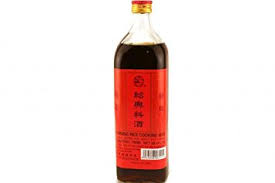
Gin – While Shaoxing rice wine is commonly recommended because of its consistent high quality, there are many types of rice wines in China. Gin comes closer in flavor to the white rice wines than dry sherry. Feel free to give it a try if you like.Commonly referred to as the Japanese version of rice wine (although it actually has more in common with brewing beer), Sake has a very different flavor than Chinese rice wine.
best wine coolers for homeHowever, some cooks prefer it.
top 10 selling wine in indiaIt really comes down to personal preference – feel free to give it a try if you like.
good wine to drink with dinnerYou can also try use mirin as rice wine substitute.
best buy red wine 2012
Even if you don’t drink those wines, or even like them, the suggestion is that cooking wines must be grand. Well, I tend to think that’s what it’s getting at. I heartily disagree with this sentiment, and having spent many years around commercial kitchens (and knowing a thing or two about preparing food myself), have witnessed wine of a status far below what the chefs or I would drink, being added to food that turns out to be pretty amazing. Let’s look at the process of cooking in the most simplistic way. Cooking makes things hot and breaks things down. In cooking, there are usually other ingredients like meat, and fat, oil, salt, herbs and god forbid, capsicum. In short, there are some pretty influential flavours in cooking, none of which, I hasten to add, I would put into a glass of wine I was interested in drinking. The saying “don’t cook with wine you wouldn’t drink” is also particularly loose. What if, like many people I speak to, you don’t drink white wine - do you add red wine to you seafood dishes?
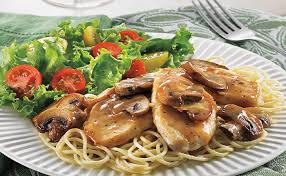
Do you throw in a glass of big Shiraz to steam your mussels? Of course you don’t. What if you don’t drink sherry but need to cook something Spanish? These are the tough questions you should ask yourself. Cook with any wine you can get your hands on, but bear a few of these simple tips in mind. When you make a slow-cooked dish like lamb shanks, you’re going to be adding wine to a dish that will be cooking for hours. Don’t waste something delicious. I often (in fact, always) have a bottle open that is being used for cooking. It has been open for over a year and is continually topped up with left over wine. Yes, there is such a thing as left over wine. I don’t mind if the wine starts to oxidise, or heads towards a more sour expression - it merely adds a little je ne sais pas to the dish. The key to this type of cooking wine is this: the heavier the wine, the more impact it will have. But a cheapish, light red that you may not want to drink while sitting o the couch will do the job just nicely.

White wine is also more than useful in this situation, and although you won’t get the same colour intensity, it will offer its cooked-out flavour just as well. A good slug of white also works perfectly in a slowly stirred risotto. For using wine in the last stages of cooking, I don’t recommend the addition of oxidised wine. In this instance, if you are finishing off a cream sauce or something delicately delicious, use fresh wine, recently opened, though it needn’t be Grand Cru white Burgundy. I would use something unwooded though - Riesling or Sauvignon Blanc will hit the mark. If you need to poach a pear or peach or some other fruit for dessert, there is no need to buy really expensive sticky to complete the job. Not because it wouldn’t be delicious, but I’d just rather save it for drinking. A cheat’s guide around this is to use some fruity white wine and add sugar. Just remember you’ll be cooking the wine for a long time and it will no longer resemble the lovely drop you want to drink.