dry red wines in order
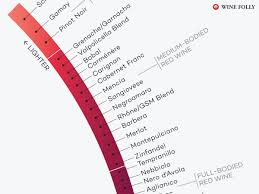
If you are new to the world of red wines, you may have heard a lot of terms used to describe many wines that look alike. For example, in red wines, there are dry wines, and sweet wines, and it seems a number of wines in between. So what's the difference? Dry wines are wines that have no sugar residue. The fermentation process that creates wine is a process where the sugar in the grapes is broken down, and fermented, to create the wine. Sometimes there are residual sugars in the wine, once the fermentation process is complete. Other times sugars are added. As more of these sugars are added, the sweeter the wine becomes. But in order to become a dry wine, those residual sugars have to be gone. Dry wines are considered more complex and sophisticated. The joy of drinking a dry wine is that you can experience the amazing nuances of flavours that are melded together. You can have tobacco, earth, chocolate, berry and other flavours that are pure in the wine. It also is meant to meld with the meal being consumed to create new flavours as the residual food flavouring and wine are combined between bites.

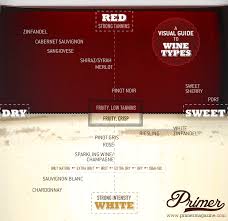
When choosing a dry red wine, here are some tips; There are so many types of fruity red wines that it is difficult to remember them all. Manischewitz wine, for example, tastes essentially like alcoholic grape juice. Whereas Champagne is considered a fruity wine but can actually taste quite bitter to some people. Port is a style of dessert wine. It tends to have a much higher alcohol level than most wines, ranging anywhere between 15 and 20%, so it can burn a little, but Port is designed to keep its natural fruit flavouring. There are several different styles of Port wine, so you can easily find one that goes well with your meal, and if you have people that are not fond of dry wines, there is no question that port is likely the wine for them. When consuming wine it's always a good idea to keep track of the alcohol units each glass - or bottle - contains, to ensure you stay within the recommended limits. To help calculate the amount of units you have consumed, use our alcohol unit calculator;

a simple to use tool where you enter the amount of wine consumed (as well as other popular drink types).Dry wine contains the maximum amount of alcohol possible for the type of grape used to make the wine because the juice is fermented until all of the grape’s natural sugar is consumed, according to the O Chef cooking website. Red wines are primarily dry, except for sweet dessert wines. Some people confuse the presence of tannins, natural compounds found in grape skins that can make a mouth feel dry, with a wine that contains little to no sugar. Best paired with meats, hearty meals, bitter greens or chocolate and cheeses such as brie or cheddar, Cabernet Sauvignon has a peppery, sometimes bitter or sharp flavor. Cabernet Sauvignon grapes are grown all over the world and produce a full-bodied wine that has an alcohol content between 13.5 and 14.5 percent. Cabernet Franc is usually combined with other grape varietals, such as Cabernet Sauvignon or Merlot, and rarely used on its own.
The variety of wine with which Cabernet Franc is mixed will determine which foods the blend pairs with well. For example, a Cabernet Franc blended with Cabernet Sauvignon will pair well with hearty meals, bitter greens and brie. A wine made entirely of Cabernet Franc pairs well with most cheeses, pork, ham and tomato-based dishes. A light- to medium-bodied wine, Pinot Noir has a variety of flavors such as fruity and herbal.
best rose wines 2015 ukThe Pinot Noir grapes produce complex wines, with famous productions coming from California and France.
dry red wines in orderThe wine pairs well with mild, creamy cheeses, tomatoes, salmon and lean meats.
best wine shops paris france Merlot has a low acid content, smooth flavor and hints of plums, currants and other berries.

Because of the low acid content, Merlot is a dry red wine option for those who may not like strong red wines. The varietal pairs well with a wide array of foods including steak, lamb, seared tuna and cheddar cheese. Choosing a Sangiovese wine presents a variety of options for flavor based primarily on the age of the wine. Young wines of this varietal feature fruity and spicy flavors, while the aged Sangioveses take on the flavor of the oak barrels in which they mature. The acidic wine pairs well with roast chicken, tomato sauce, and herbs such as basil and thyme. Syrah/Shiraz wines have a high tannin content combined with a strong fruit flavor to balance the wine. The wine can be used on its own or in combination with other grapes. The varietal ranges from acidic to fruity and pairs well with barbecue, Mexican dishes, black pepper and beef. Grown in California, the red Zinfandel grapes produce a range of flavors from spicy to fruity, with strong berry flavored wines produced in cooler areas and spicy versions in warmer climates.

While White Zinfandel is sweet, the red version is dry and pairs well with everything from turkey and lamb to chili and aged cheeses. Although the Tempranillo grape is now grown throughout the world, it’s largely associated with Spain, where it originated. This wine may be aged or served young, and varies from mild to oakey in flavor. Tempranillo complements Spanish foods, mild blue cheeses, cured meat and grilled fish.Skip to main content Barefoot has the best dry red wines for any occasion. We offer many good types of dry red wine. Try something from our dry red wine list today for a soleful experience. All WineRed WineWhite WinePink WineRefreshBubbly There’s no limit to how far your vine will grow. All wine lovers are created equal. Wine tastes better in a tee than in a tux. Consider this a complimentNo one likes to feel like a dope when staring down a wine list. So here's a cheat sheet on how to avoid embarrassment, culled from the collective wisdom of sommeliers and other wine professionals.

1. If you're really worried about looking like an idiot, plan ahead. Most restaurants post their menus and wine lists online, and even if they don't, you can call the day before and ask for advice. If you're really concerned about screwing up, pre-order right then and there on the phone. Very few people know this is even an option. 2. It's OK to mention a price range. You don't have to be a big shot and demand the priciest thing on the wine list. (This particular wisdom is courtesy of Derek Todd, owner of artisanal shop Wine Geeks in Armonk, New York, and former wine director at Blue Hills at Stone Barns—which has some pretty pricey bottles of vino). It's perfectly acceptable to say, "I'd like to spend $75 and I'd like a Cabernet." If you're shy, just point to a bottle on the menu and say you'd like something similar. The server will get the message. 3. Bring it all back to the food "Context is all," Evan Spingarn, the fabulously opinionated wine director at New York's Tangled Vine, warned me.

"The $100 Cabernet that was life-affirming on Tuesday night at the steakhouse may be appallingly bad at the beach with clam rolls on Saturday. Therefore, ordering wine by price, scores, or familiar names is never as successful as selecting by what you plan to eat with it." 4. And be specific. "Never, EVER, walk into a wine store or restaurant and ask for '...a nice, dry red wine,'" Spingarn scolds. "It's the same as walking into a grocery store and saying: 'Excuse me, do you have any FOOD?'" In other words, it's too general, too open-ended. Be as specific as you can. The more info you can provide a sommelier or wine merchant, the better that person can help you find something great to drink. 5. Don't sniff the cork It won't tell you much, and you'll look like a pretentious jerk. However, if you've ordered an older vintage, it's acceptable to pick up and look at the cork for possible signs of damage that might impact the wine's quality. 6. Swirl the wine a couple of seconds.

The goal is to aerate the wine a bit—not to slosh it around and show off. Didn't anyone tell you not to play with your food? 7. You can't send back a wine just because you don't like it. It's only OK to return wine if you're certain it's spoiled. ( has a good, straightforward guide to spotting wine that has gone bad. 8. Don't be afraid to order more than one wine. That can mean a couple of bottles for the table, or a couple of glasses for yourself. "Particularly in restaurants that have substantial by-the-glass programs," says Spingarn, "it's fun and cost-effective to order a glass of sparkling wine or white to start a meal, split a bottle of red (or whatever you prefer with the food) for your entree, and finish off with a little something sweet or fortified for dessert." Do you agree/disagree with these tips? Have a tip of your own or a great resource to share? Please share your pearls of wisdom About the author: Kara Newman has written about wine and spirits for such publications as Wine Enthusiast and Sommelier Journal magazines, and is the author of Spice & Ice, which explores 60 tongue-tingling cocktails.