best red wines cooking
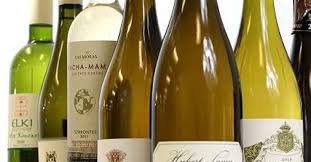
List of the best white cooking wines that are available to buy on the market today. This list has been ranked by men and women who cook and drink wine. Cooking with wine adds flavor and moisture to bring out the best in any meal.Answering the question, “what is the best white cooking wine?” this list includes top wine varieties such as riesling, chenin blanc, chablis, and pinot grigio. Many men and women look to fuse wine in their cooking. But you have to be careful because any wine you wouldn’t drink on its own, is not something you want to cook with. Wine is made from fermented grapes and each type of grape offers its own unique flavor profile that can affect your foods when using a wine for cooking. Often dry wines are sought for cooking. When cooking you might ask yourself, “what are the best types of white cooking wine?”Ensure that any meal you cook has a great balance of flavors and texture. Whether cooking meat, poultry, eggs, fish, or salads, each of the wines found on this list offers unique flavors to bring out the special flavors in a dish.
Whether you’re cooking a gourmet meal or it’s just another Monday night these are the best white cooking wines available for purchase. 1 + - Chenin Blanc 2 + - Gewürztraminer 3 + - Pinot Grigio 4 + - Chardonnay 5 + - Pinot Blanc 6 + - 7 + - Sauvignon Blanc 8 + - Johannisberg Riesling 9 + - 10 + - Riesling 11 + - Marsanne 12 + - Muscat 13 + - 14 + - 15 + - Roussanne 16 + - 17 + - 18 + - 19 + - Sémillon 20 + - 21 + - Filed Under: beverages beverageswinealcoholdrinks + prev list more popular lists next list -easyEggs Poached In Red Wine20 minutesPeaches in Red Wine20 minutes, plus chillingChicken In Red WineCaraway Pork Sausages With Red WineAbout 30 minutesBeef Braised in Red WineStewed Chicken With Red Wine SauceAbout 1 hourCitrus Rice Salad With ParmesaneasySalmon in Fig Leaves30 minutesJapanese-Style Beef StewAt least 1 hourBraised and Grilled or Broiled Pork RibsAbout 2 hourseasyChicken Chop Suey45 minutesButter-Braised Cardoons With Mushrooms and Bread Crumbs40 minutes Braised Pork With Red Wine

Michael Kraus for The New York Times Combine pork, salt and pepper to taste, wine, stock, carrots and garlic in a saucepan, Dutch oven or slow cooker.
best wine for cold cutsBring to a boil, then adjust heat so that mixture simmers steadily but not vigorously.
best flavors of wine(If using a slow cooker, just turn it to ''high'' and let cook for at least three hours.)
best wine gift packages Cook, stirring every half-hour or so, until meat is very tender and just about falling apart, at least an hour and most likely a bit longer.
beer and wine franceUse a slotted spoon to remove solid ingredients to a bowl, then turn heat to high.
fruit wine to buy
(If using a slow cooker, transfer liquid to a saucepan for this step.)
best wine of 2008Reduce to about a cup, or even less.
best red wines that are sweetTaste and adjust seasoning, then lower heat and stir in butter.
best wine with cake Add solids to sauce and reheat.
red wine dry mouthServe over egg noodles, garnished with parsley. Alessandro Giuntoli’s Pasta With Red Wine Roasted Halibut With Lemons, Olives and Rosemary Pasta With Green Puttanesca Charlie Bird's Farro Salad How to Make Pasta How to Make Ratatouille How to Plan and Cook Thanksgiving How to Cook EggsIt all smelt so good. The warm new potatoes, asparagus and green beans had been tossed in a truffle oil and parsley dressing, and mixed with fragrant basil leaves.

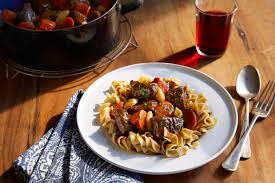
The fillet of beef was struck through with a seam of French saucisson, and cooked in a red wine jus. Alas, as we began to eat, it became clear that something wasn’t quite right. The red wine sauce tasted oddly sweet. This turned out not to be the cook’s fault; the recipe had called for a bottle of sweet red wine and he had used one. We just didn’t like the result. It was an extreme case but it does help prove the point that if you’re cooking, you can’t afford to pick up any old bottle of Blossom Hill, vinegary mouthwash or a nice oxidised little number that got lost in the garage for a decade and hope things will be fine. In French Provincial Cooking, Elizabeth David, writing about boeuf à la Gardiane, a beef and black olive stew, says that the ''old Nimoise cook’’ who showed her how to make it used Châteauneuf du Pape – “we were in the district so it wasn’t so extravagant as it sounds”, she adds airily. I certainly wouldn’t back myself to pick a Châteauneuf boeuf from a Cotes du Rhône boeuf in a blind tasting after three and a half hours’ simmering (of the wine, not me);
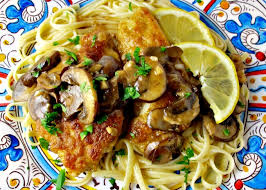
but David’s point, that “it pays to use a decent and full-bodied wine for these beef stews”, is fair, and it’s echoed by the Blueprint Café’s Jeremy Lee. “Quality does show,” he says. “Even in a casserole that’s slow-cooked. If you use the thin, cheap stuff you have to use twice the amount to get any flavour. Of course, there is a cut-off point… and you want to cook with a bottle you can have a glass of, that’s for sure.” The type of wine used in a slow-cooked casserole is less apparent in the end result than for other dishes, but generally speaking I avoid enormous, oaky reds that might obliterate any other flavours in the food. As for whites, I like something with good acidity and a sprightly character, as does Lee. “I certainly wouldn’t cook with chardonnay. A simple gavi is great,” he says. If the wine is going to be cooked only lightly it’s worth taking care. Think of the glug you throw into a gravy, or all those recipes that demand a glassful to deglaze the pan;
the character of the wine will find its way to the plate largely unaltered. A friend who’s fabulous in the kitchen likes to use a glass of whatever’s being drunk with dinner, to “create a synergy between glass and plate”. It’s a nice idea, but once the glasses have been filled, sometimes there isn’t enough left for the food. The key characteristics to think about are body (which I’ve talked about already), acidity, sweetness and tannin – with flavour limping in last, as this will disappear first. Sweetness is harder to monitor than it sounds; a lot of branded wines, both red and white, contain about 12g/litre of residual sugar while purporting to be dry, and you really will notice this (and, probably, also the taste of cheap oak chips) if you tip it into a gravy. This is why it’s not a good idea to get rid of a bottle someone brought around at Christmas on the Sunday roast. The word acidity often has negative connotations when it comes to wine, but I like it, both for the tingle it gives in the glass and the tension it brings to a plate of food, whether that’s a glass of sauvignon blanc in a chicken gravy or of sangiovese added towards the end of the cooking of a large ragu.

By following these rules, you can make money-saving adjustments to recipes that call for preposterously expensive wines. So, for boeuf bourguignon, instead of using pinot noir you could opt for another light-bodied wine such as Asda Beaujolais 2009 France (12.5%, £4.47, Asda), which, by the way, also passes muster as one to drink. Thinking about a River Café recipe for barolo risotto the other day, I made a successful pancetta and red chicory risotto using Tesco Dao 2007 Portugal (12.5%, Tesco, £4.74) – a wine with good acidity, noticeable tannins and, just as importantly, a savoury flavour, and which costs less than half the price of a barolo. It’s almost too obvious to say but I did once eat a spaghetti vongole that had been ruined by the addition of a suffocatingly perfumed dry muscat; a neutral soave would have been so much better. So don’t add anything at the last minute to food that you wouldn’t want to drink alongside it. Finally, never throw away the dregs of a good bottle.